Court Archaeological Research Facility, University of Cincinnati
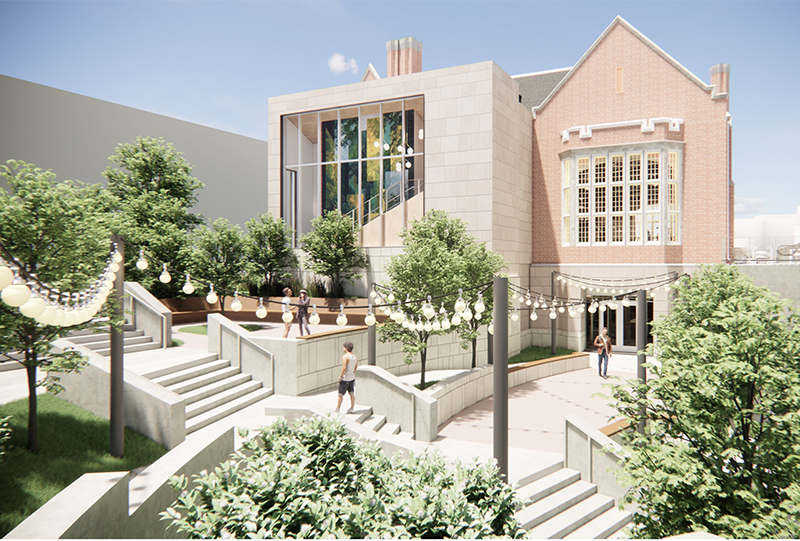
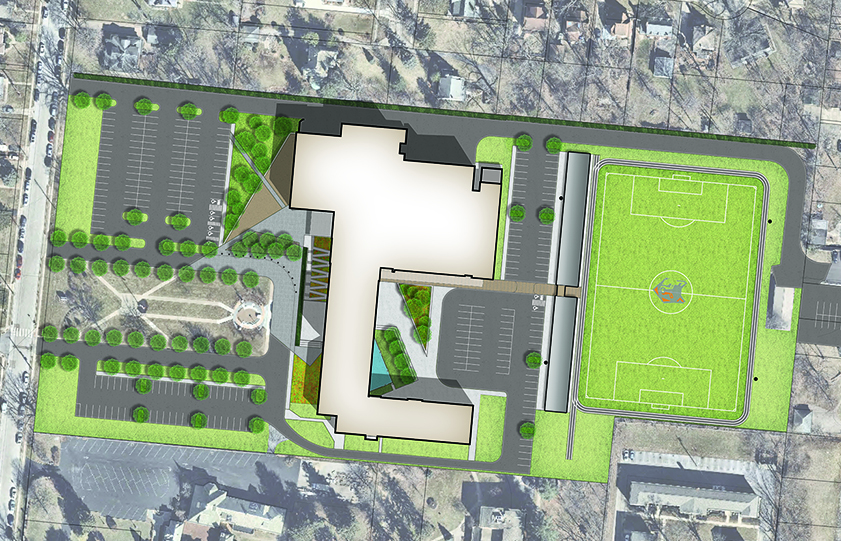
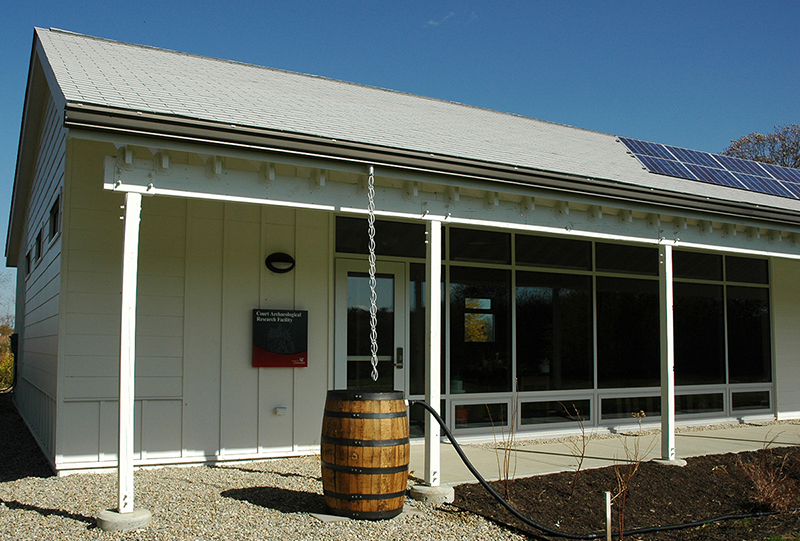
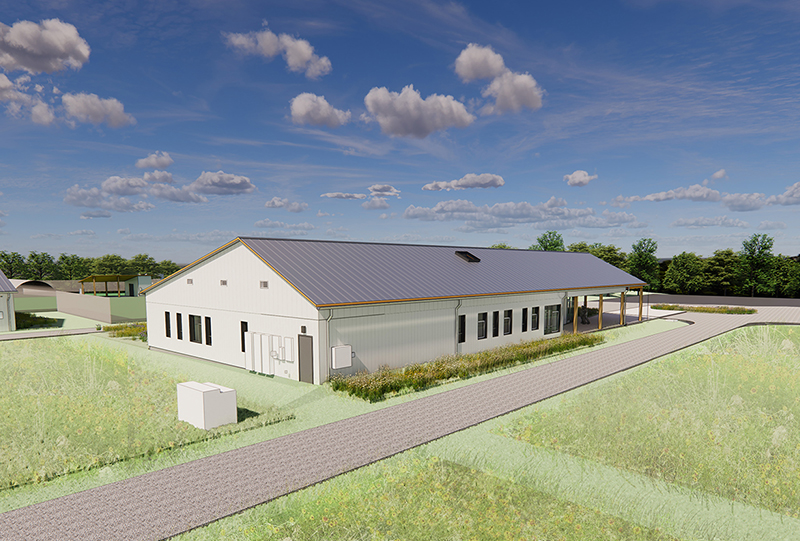
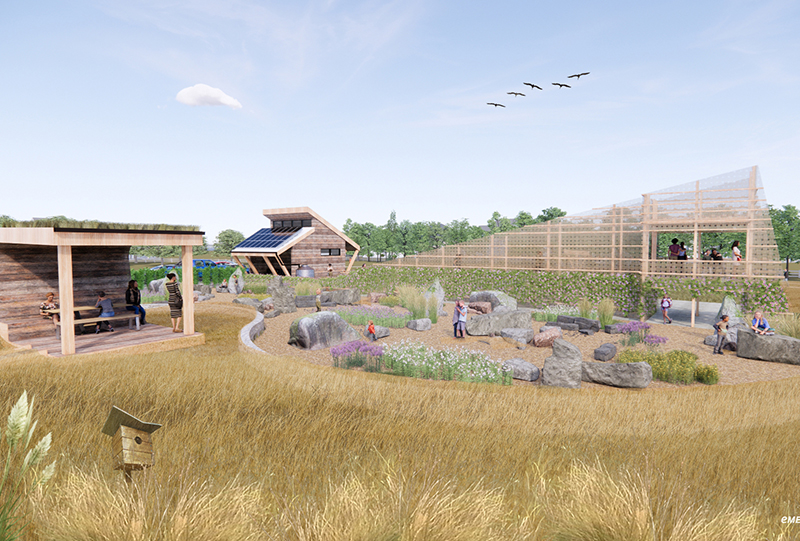
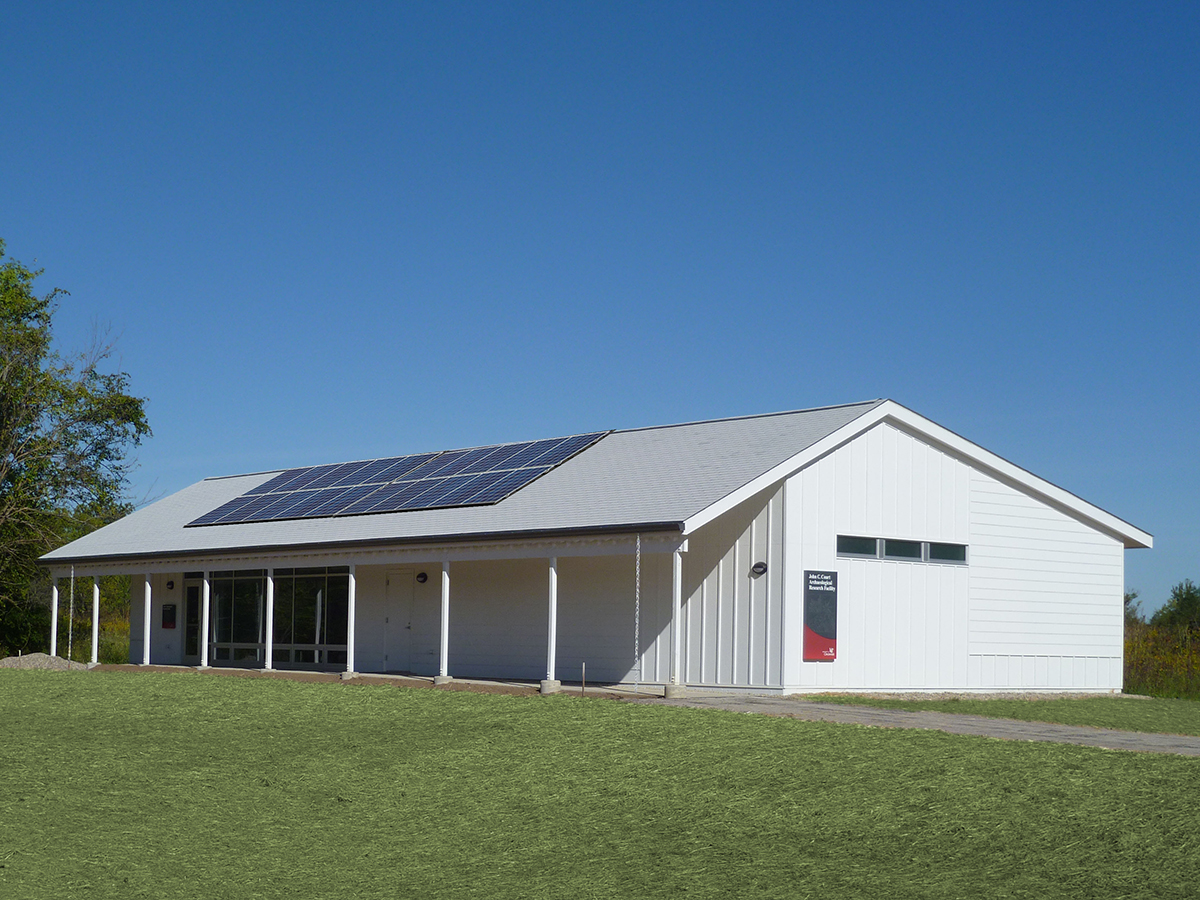
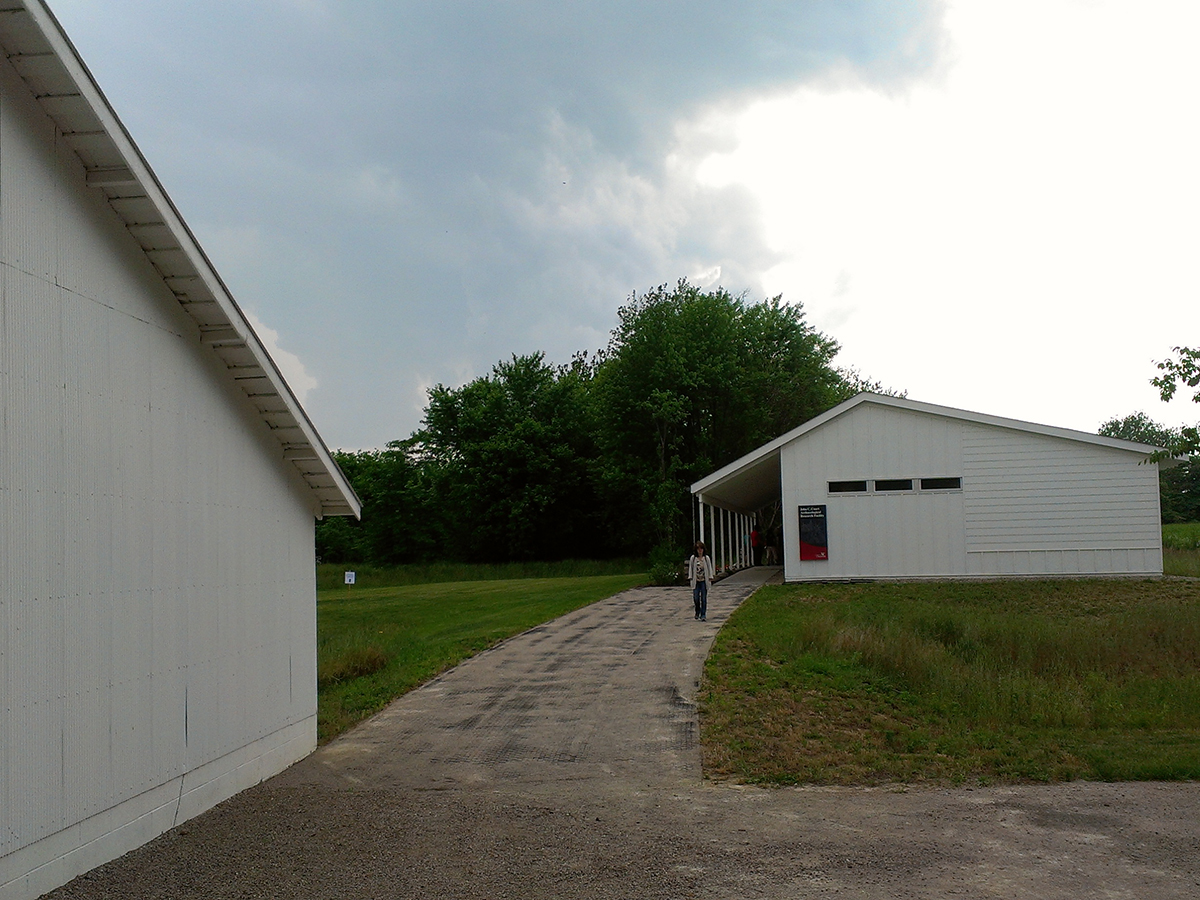
Located within a historically sensitive archaeological site, the University of Cincinnati Archaeological Field Station was developed as the first phase of a comprehensive campus master plan. The design team conducted master planning and State Historic Preservation review to ensure the new facility respected the site's cultural significance while establishing a vision for future development.
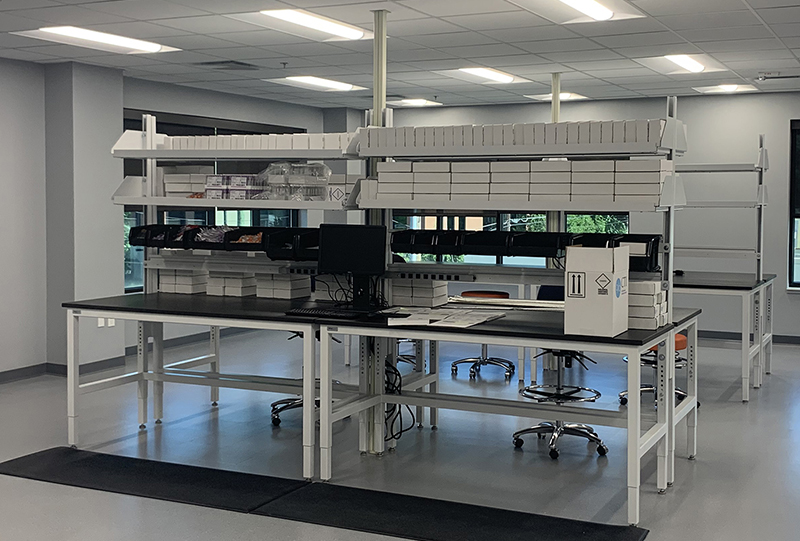
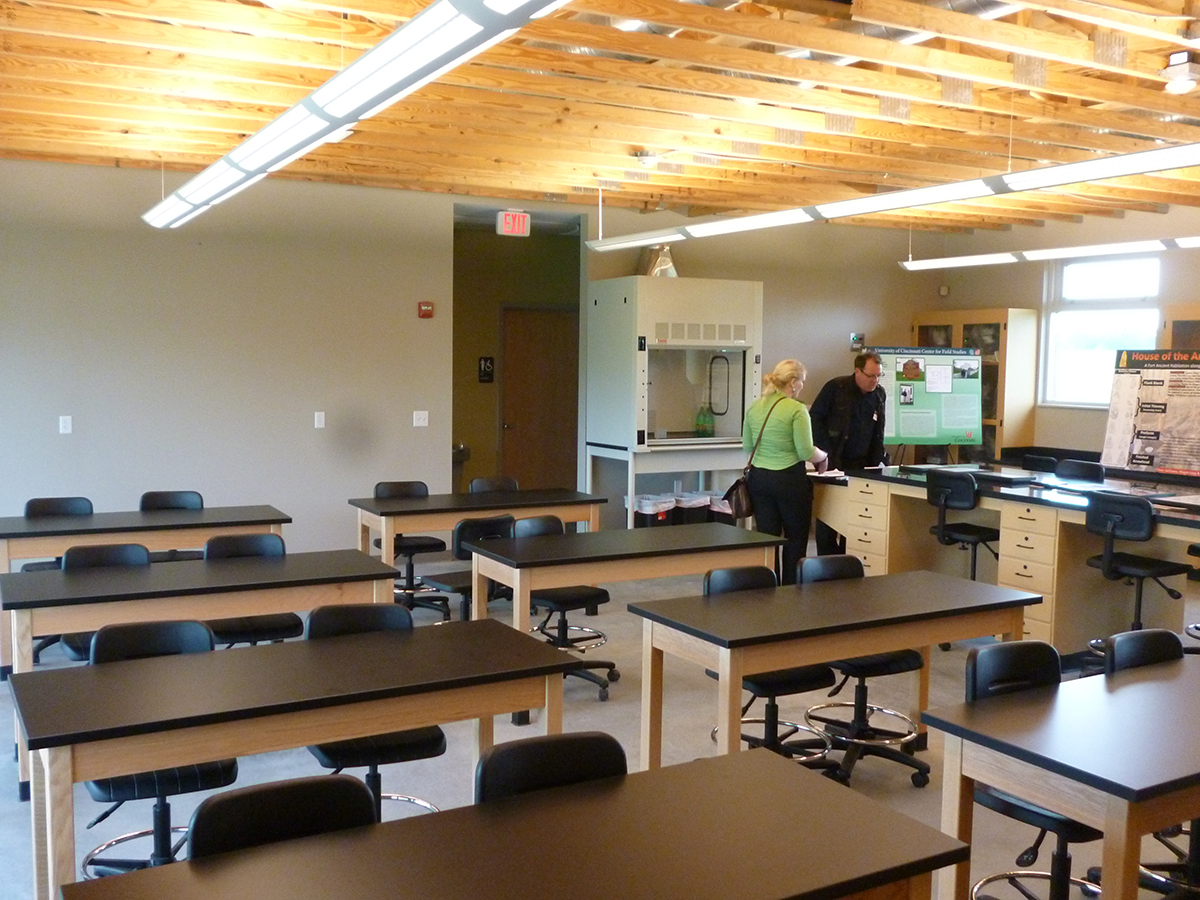
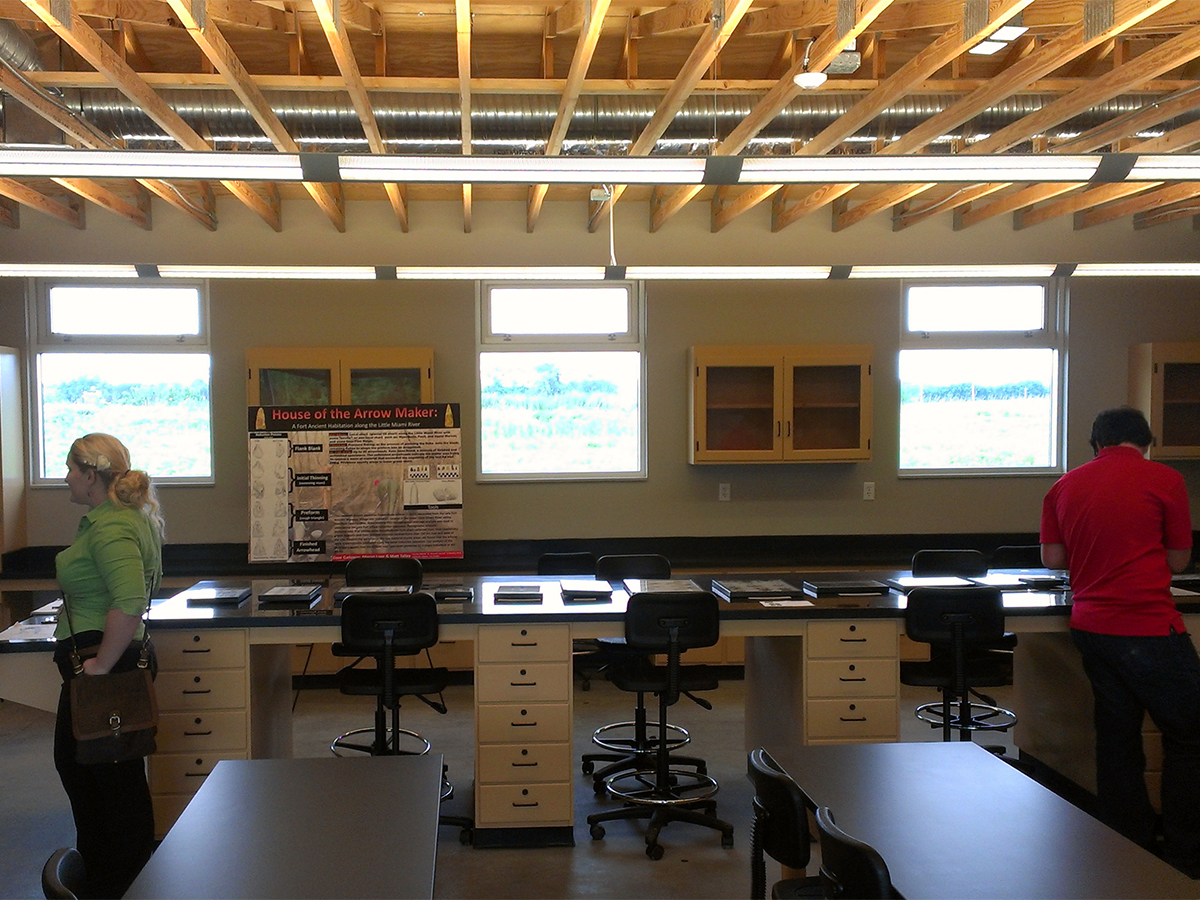
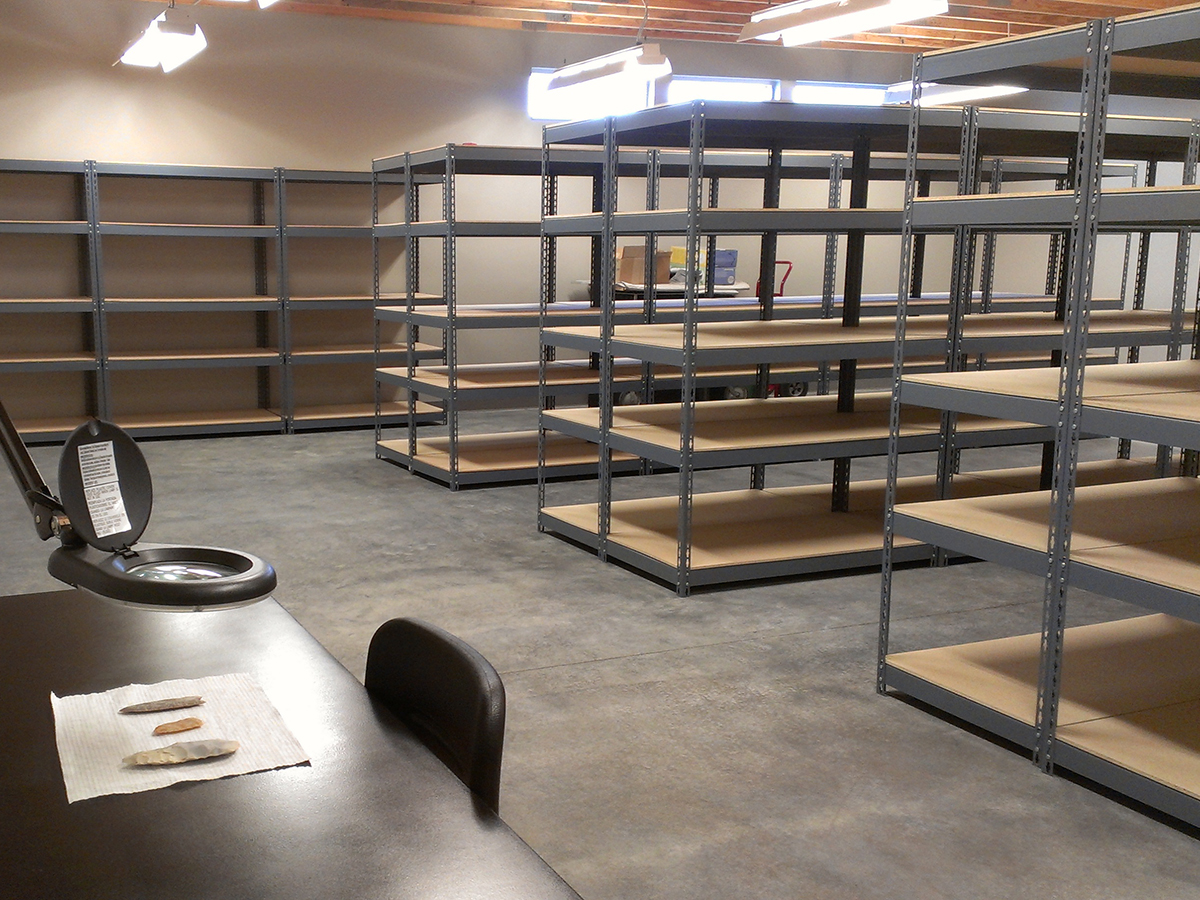
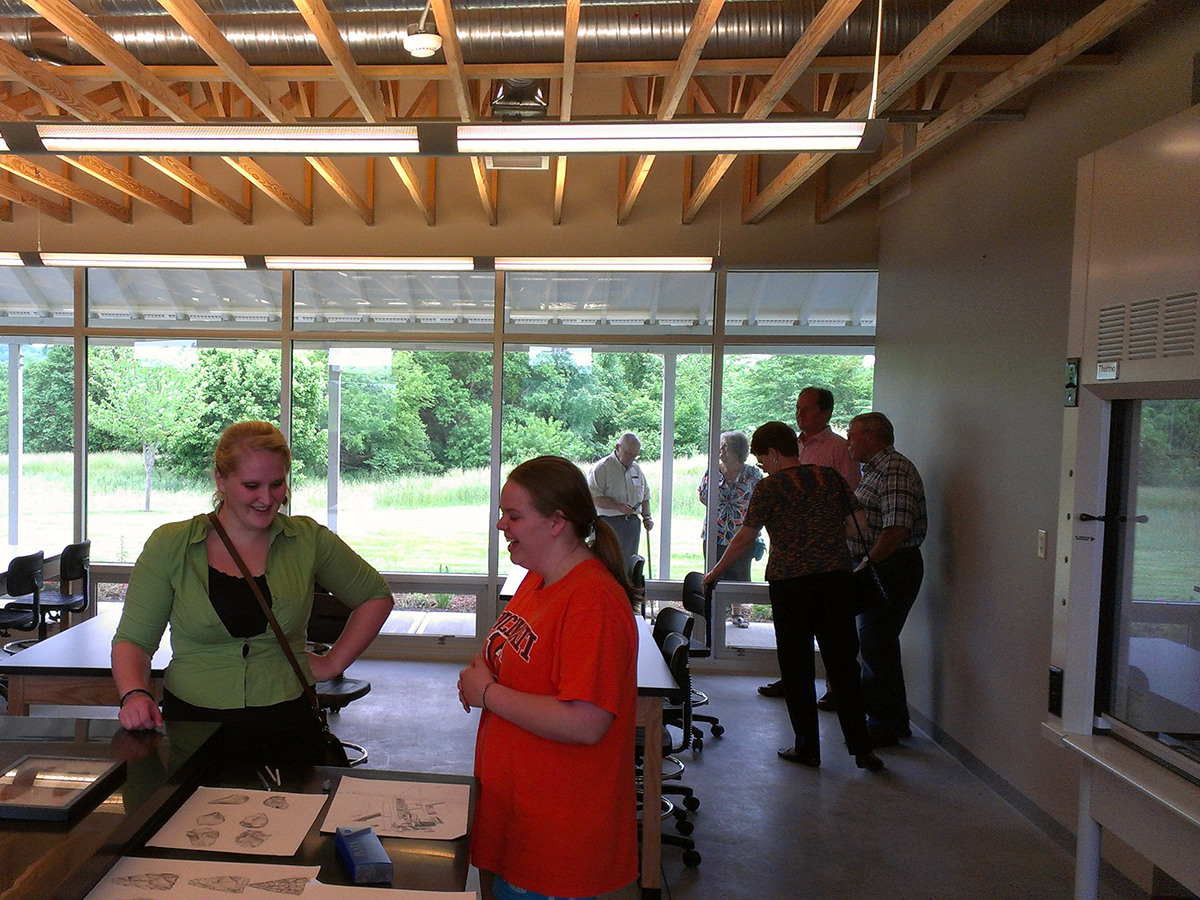
The field station employs passive design strategies to lower mechanical needs and a mounded septic system prevents aquifer contamination. The team followed many referencing criteria including, the University’s classroom guide, NAGPRA for archival spaces and LEED. A balance between modern technologies and historic sensitivity was paramount. The building is intended to make a visual connection to, yet be markedly distinct from, the existing historic complex. The classroom and laboratory spaces are open, comfortable, and flexible. The professors can arrange the classroom as needed. The furniture can even be moved to accommodate fund raising events and larger presentations.
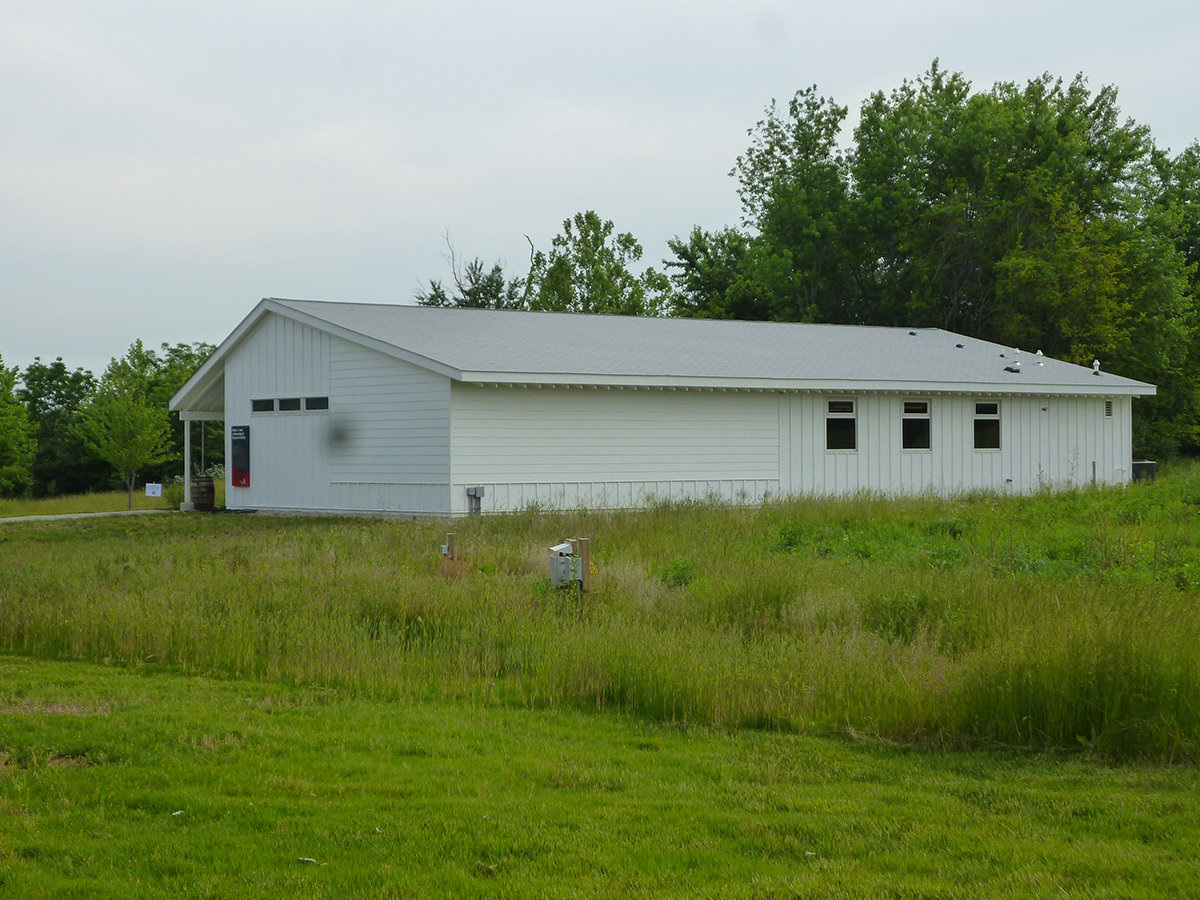
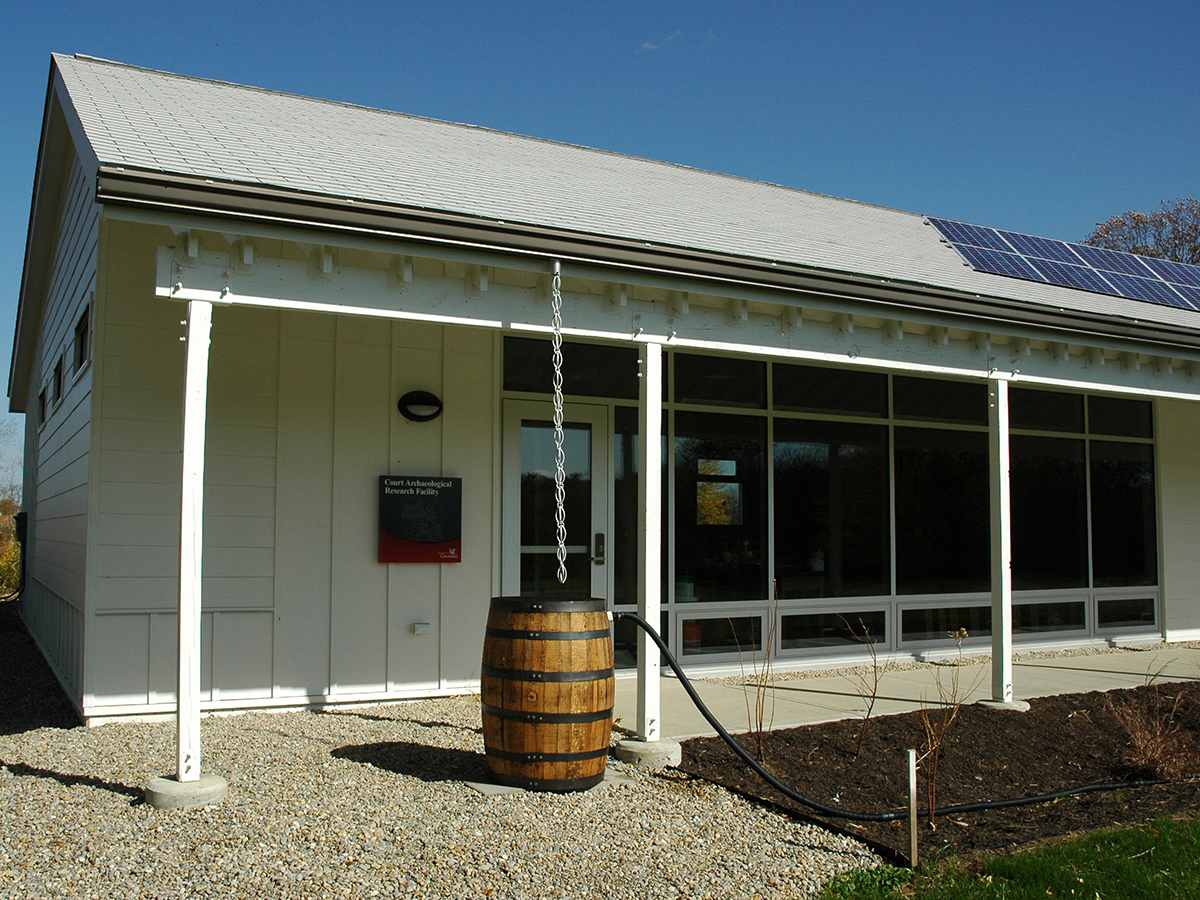
The University has installed renewable energy in the form of solar panels. The design focuses on passive strategies to reduce energy consumption and oriented the building and roof angle to optimize shade and sun light throughout the year. A high-performance thermal envelope was designed to maintain temperature and drastically reduce air infiltration, and utility spaces were pushed to the ends so the learning, active space is only exposed on 2 sides.

2,500 SF
$344,500
Net-Zero Energy